The Importance of Inclusive Education

Inclusive education creates equitable opportunities for all students. It is estimated that 15% of students worldwide have special needs. The goal is to promote belonging, participation, and achievement. This transformative approach ensures that every student can thrive.

The challenge is that many traditional education systems fail to adequately support students with disabilities, developmental disorders, or exceptional talents.

At Unilearn, we believe in building a fully inclusive educational model where every student, regardless of ability, has equal access to learning opportunities.
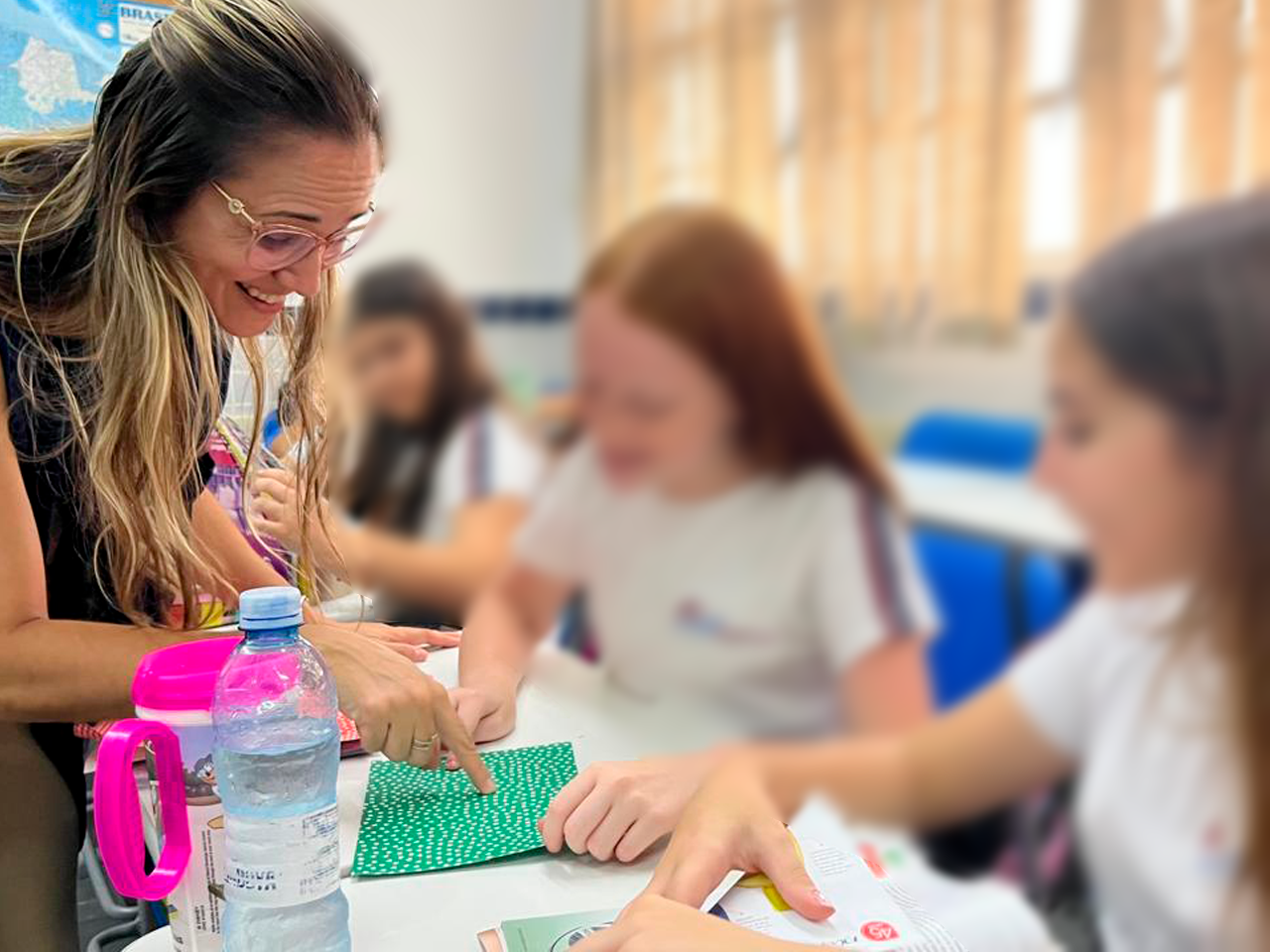
Inclusive Education

Benefits of Inclusive Education

Better Outcomes

Improved academic and social performance for all students, not just those with special needs.

+20%

Research shows that students with disabilities in inclusive classrooms achieve 20% more academic gains.

Social Skills

Enhanced social skills and empathy among typically developing peers, fostering an environment of mutual respect.

Teacher Collaboration

Greater collaboration and innovation in teaching methodologies, resulting in more effective practices for all students.

Transforming the Educational Approach

Our goal is to shift from a traditional educational model to a student-centered inclusive model.

Leadership

Development and implementation of an institutional inclusive education model that serves as a reference for other institutions.

IEPs

Development and standardization of Individualized Educational Plans, ensuring personalized support for each student's cognitive, emotional, and social needs.

Training

Extensive staff training to prepare educators to apply adaptive teaching strategies that benefit all learners.

Family Engagement

Creation of family engagement programs encouraging parents to actively participate in their children’s educational journey.

Individualized Educational Plans (IEPs)

We offer personalized support for students with diverse learning needs, including students with disabilities, developmental disorders, and gifted individuals.

Cognitive Development

Customized strategies to optimize the learning process:

  • Adjusted learning pace
  • Multisensory methods
  • Curriculum adaptations
  • Personalized study techniques

Emotional Well-being

Support for socio-emotional development:

  • Counseling programs
  • Social skills development
  • Self-regulation strategies
  • Emotionally safe environment

Behavioral Adaptation

Interventions to promote positive behavior:

  • Positive reinforcement strategies
  • Structured interventions
  • Routines and predictability
  • Conflict resolution techniques

We work in collaboration with psychologists, therapists, and specialized educators for a multidisciplinary approach, integrating assistive technologies such as text-to-speech software, interactive apps, and customized materials.

Inclusive Learning Methods

We create and apply innovative teaching methodologies to promote a truly inclusive environment where all students can learn and grow.

Assistive Technologies

Implementation of technological tools that ensure effective engagement of students with disabilities, enabling equitable access to the curriculum.

Peer Tutoring

Development of programs that promote mutual learning and social integration, benefiting both tutors and tutees.

Inclusive Curriculum

Design of content that embraces different learning styles, with practical experiences and real-world applications.

Educator Training

Delivery of workshops that ensure continuous and sustainable implementation of inclusive methodologies.